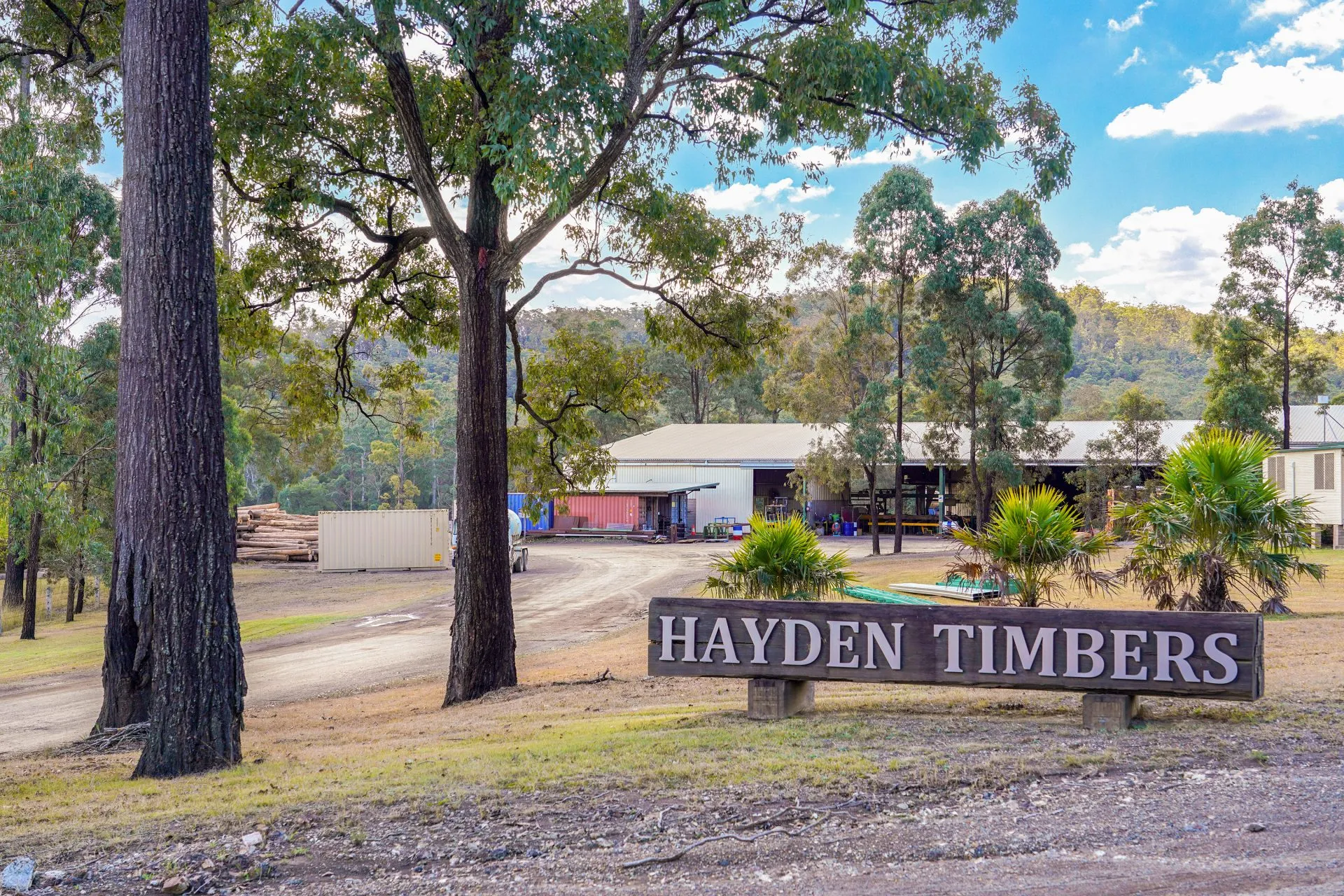
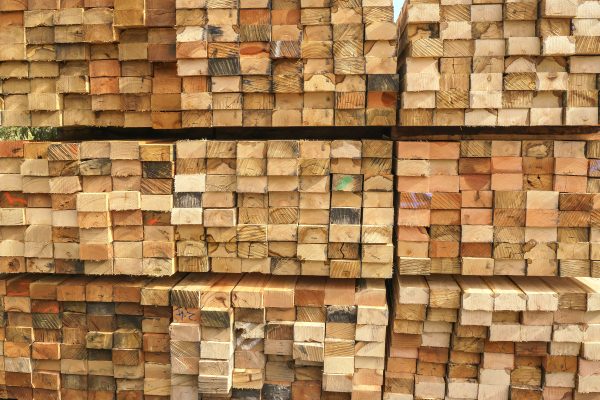
Hayden Timbers Pty Ltd is a family-owned hardwood business supplying quality green sawn hardwood products primarily for the Australian market.
We produce wood products sourced from sustainably managed native hardwood regrowth forests (public and private) and renewable hardwood plantations.
Wood is Sustainable
Forestry practices in Australia are strictly regulated to ensure appropriate harvesting. Timber harvesting practices are sustainable when trees as a natural resource have been replaced with new growth. There is no deforestation or permanent loss of forest with good forest harvesting.
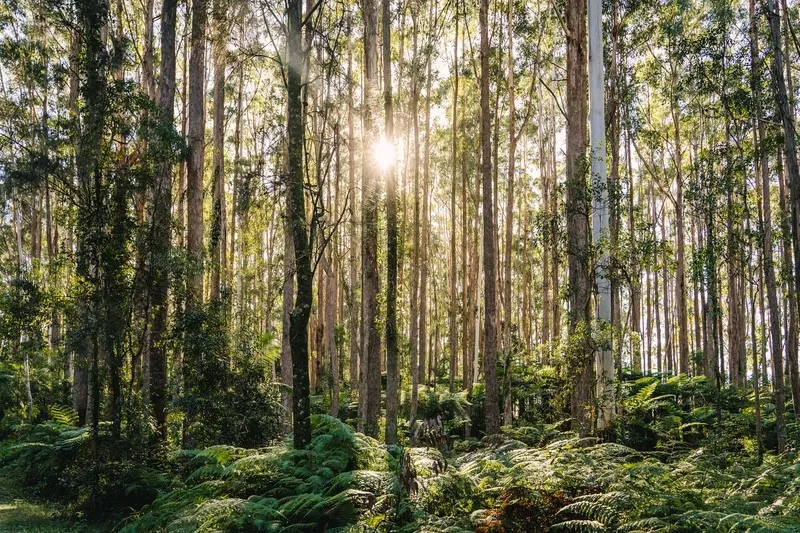
Our timber resource is sourced from NSW native and plantation forests. The same native forests have been managed, harvested and regrown for 100 years. Natural regrowth following harvesting involves a variety of species, including Eucalypts specific to the area. Seed trees are identified and set aside to ensure regeneration.
Hardwood plantations are managed like other agricultural crops, although they require approximately 30-50 years of growth before they can be harvested for suitable sawlogs. Plantations use a single species and require regular maintenance to support growth. They are a high-risk long-term investment being more vulnerable to diseases and bushfires in their early growth stages. Following plantation forest harvesting, tree saplings are replanted and grown for the next harvesting cycle. Hardwood plantation forests supplement the supply harvested from native forests.
Native forests grow more slowly, and strict regulation of harvesting balances our need for wood products and care for the environment. Actively managed forests maintain biodiversity; resiliency to a range of threats; decrease the risk of high-intensity bushfires that threaten property and communities. Whilst initial disturbance is unavoidable, current harvesting practices promote forest health to sustain biodiversity in the long-term.
Whilst it is widely misunderstood, commercial harvesting in NSW takes place in native regrowth forests and plantations. There is no harvesting in old growth forests. Old growth forests are mature forests that have been set aside for conservation.
Wood is Environmentally Friendly
The timber industry is one of the oldest industries in the world and wood has continued to remain popular as a fully renewable, sustainable natural resource. Timber products are used for multiple applications across many industries and sectors. As hardwood timbers are slow growing, they are more durable with high density fibres that offer strength with flexibility, durability, low maintenance, fire resistance for a long-lasting investment in the harsh outdoor environments. Various native hardwood and eucalypt species offer a range of colours, each with their unique character, appearance and acoustics.
Once harvested, wood products continue to store carbon during the lifespan of the product. After harvesting, replanted forests and plantations provide more carbon storage because growing trees act as a sink to absorb carbon dioxide. Renewing forests with replanting/regrowth is a good thing for the environment.
As a natural resource, wood is ecologically safe to use; simple to process and good for our health and environment. Wood processing requires little packaging and has reduced waste.
Wood is Renewable
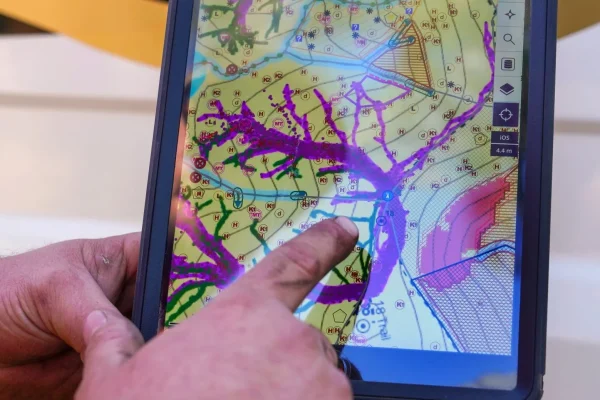
NSW forests are managed under strict regulation to ensure that management of harvesting operations are distributed across the landscape and over time, to support a mosaic of forest age classes and maintain forest structure in the operational area or local landscape area. Independent environmental regulators monitor harvesting compliance with strict regulations. Forestry research is continually improving practices to maintain a high level of public reassurance that our trees will be still protected for future generations to both enjoy and use.
There are different methods of harvesting that are applied to forests. Plantation forests are clear-felled once trees reach maturity. They will be thinned at times during their growth to produce the highest quality product for sawlogs. Following harvesting of native forests, they are monitored to ensure that natural regeneration is achieved by using current established forest science practices.
Native forests are selectively harvested and naturally regenerated. There are many forest harvesters who are harvesting in the same areas their father and grandfathers have worked in. They know the importance of good forestry management.
In 2023, approximately 0.01% of NSW 20 million hectares of the total native forest estate (not including private property) was harvested.
Wood is Beautiful
Due to its unique natural patterns, warm texture, and timeless appeal, would is considered beautiful. That uniqueness can make it feel more personal, almost like it has a history rather than just a function. It resonates with how we perceive patterns, light, warmth, and the natural world.
The grain patterns—rings, swirls, knots—are shaped by growth cycles, weather, and even stress. Wood tells us about time and events in the natural world. Every ring marks a year of growth, and defects add character that remind us of the tree’s journey in the forest, shaped by droughts, fire and periods of high rainfall.
Wood is good for Forest Health
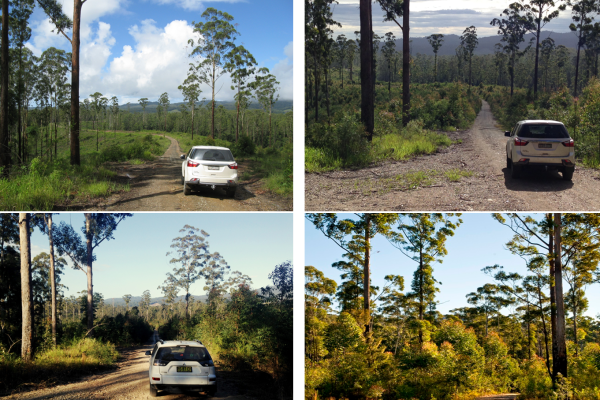
We rely upon sustainable native forest management that balances our human needs for timber with maintaining forest health to support its ecology. Responsible harvesting in native forests assists in maintaining forest health and diversity of species. It also provides road access for bushfire/emergencies and green spaces where we can enjoy recreational activities.
Wood is a Natural Resource
Australian hardwoods are the most durable, hardest, and beautiful timbers in the world. They perform well indoor and outdoor in the Australian climate. Various hardwood products are frequently used across most industries. These include: